What happened
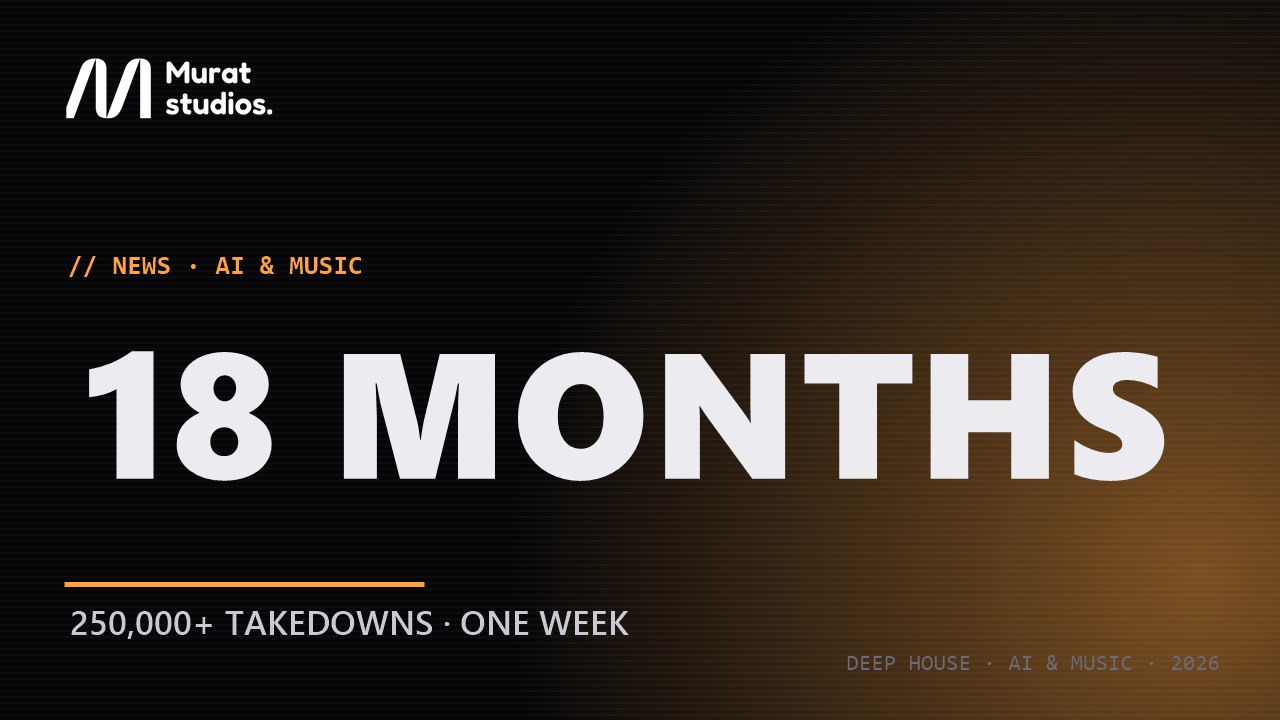
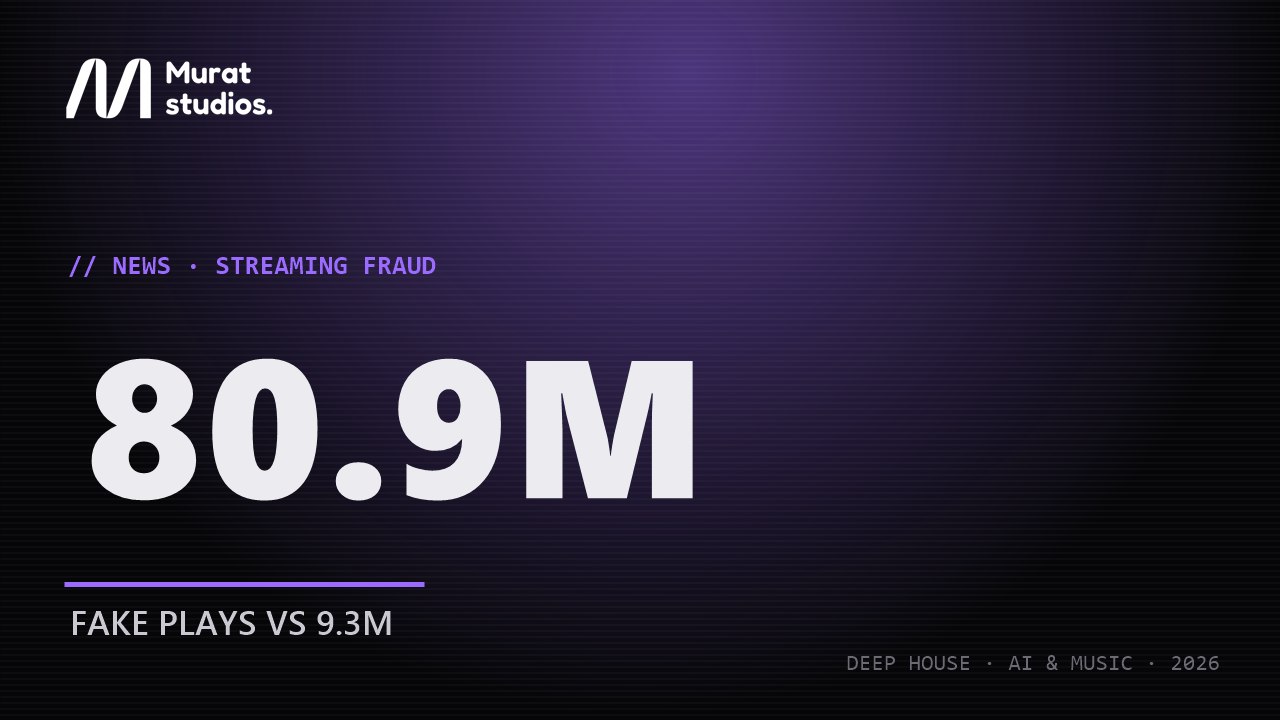
On October 7 the US Copyright Office published a notice of inquiry on music streaming fraud in the Federal Register. It came the day after Michael Smith was sentenced to 18 months and ordered to forfeit $8,091,843.64 — the case I walked through in my earlier piece and in this week's roundup.
The inquiry was requested by Representative Scott Fitzgerald, who asked the Office in a May letter to look at how generative AI feeds streaming fraud. According to Music Business Worldwide, that letter points to Deezer data saying that up to 85% of streams on fully AI-generated tracks in 2025 were fraudulent.
What they want to know
- How the fraud works — bot farms, click farms, playlist stuffing, account hijacking — and what it costs.
- What actually deters it — checks on distributors, customers and content, clawing back royalties paid on fake streams, fines, takedowns.
- What could be shared — suspicious-activity reports, a common database of known fraud, cleaner metadata.
- Whether the law needs to change — including so-called "no-fault injunctive relief" and local or state prosecution.
Initial written comments are due November 23, 2026, replies December 21 (both 11:59 p.m. Eastern). The notice itself is in the Federal Register.
An inquiry is not a law
Let's be straight: a notice of inquiry gathers information. It does not ban anything or pay anyone back. Washington has also opened inquiries before that ended with no action. So I would not celebrate yet.
But the framing matters. The notice describes the main harm as the dilution of the royalty pool. That is exactly how it feels from my side of the studio: every fake stream is a few cents taken out of a shared pot, and the pot is paid to real people who made real records.
«A fake stream is not a victimless glitch. It is someone else's rent.» — Murat Koff
Why independent artists should write
Labels have lawyers and trade groups; they will file long, polished comments. An independent producer who has seen a suspicious spike, a hijacked profile or a copycat upload has something they don't: lived detail. If you release music, you are exactly the kind of witness an inquiry like this needs. I am a producer, not a lawyer — read the notice, keep it short and factual, and say what happened to you.
I have argued for a while that when the platform writes the rules, the artist becomes a tenant — I put it in Spotify killed the remix. A public comment window is one of the few moments where the tenant gets to speak to the landlord's regulator.
What I do on my side
When streaming platforms fill up with bot-made noise, the simplest proof that you are a real person is a home page that is yours: your name, your releases, your contact, your languages. Mine is this site. I built it with AI tools acting as my developer — and I say so openly, because that is a very different thing from generating songs or inflating plays. The music stays human; only the plumbing got faster.
Make your name easy to verify.
One lesson in my course is about making your site findable — titles, descriptions, a sitemap and a clean multilingual setup — so people searching for you land on your own page, not on an imitation. 7 short lessons in total, no code, $25, in English. No promises about traffic or income — just the method behind this site.
See the 7 lessons →And if you want to see what real, organic listening looks like in practice, read how I made a viral deep house remix. No bots, just a track that people chose to send each other.
Sources
- Digital Music News, Oct. 7, 2026 — US Copyright Office launches investigation into streaming fraud
- Music Business Worldwide — streaming fraud inquiry launched by the US Copyright Office
- Billboard — U.S. Copyright Office opens music streaming fraud inquiry
- Federal Register, Oct. 7, 2026 — notice of inquiry
- Digital Music News, Oct. 6, 2026 — Michael Smith sentenced to 18 months